


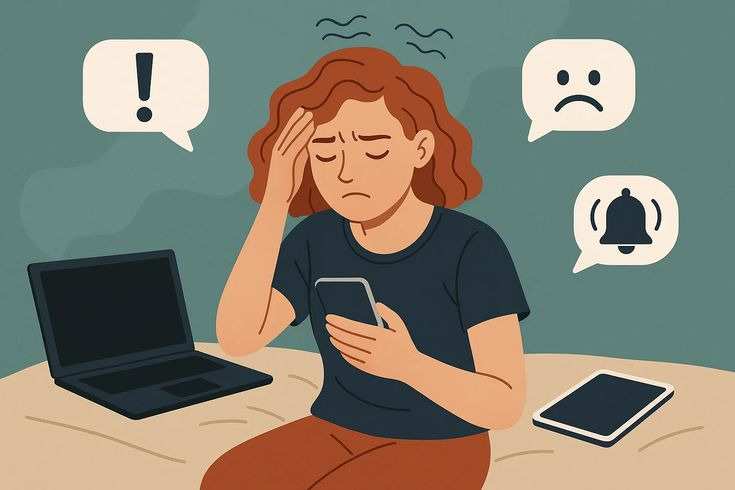
In today’s hyper-connected world, people are spending more time online than ever before. From social media scrolling to remote work and AI-powered apps, our daily lives revolve around digital screens. While technology offers endless opportunities, it also contributes to stress, anxiety, and burnout.
That’s where the concept of a digital detox in 2025 becomes essential. It’s not just a luxury anymore—it’s a necessity for mental health, productivity, and overall happiness.
1. The Digital Overload Problem
The average person now spends over 8 hours a day online, leading to:
- Sleep deprivation caused by blue light exposure.
- Declining attention spans due to constant notifications.
- Mental health struggles, including anxiety and depression.
2. Why Mental Health Matters More in 2025
With the rise of remote work, online learning, and AI-driven platforms, people are under constant digital pressure. Mental health is now considered as critical as physical health. Studies show that:
- Work-life balance is harder to maintain in remote setups.
- Teenagers and young adults face identity struggles fueled by social media.
- Burnout rates among professionals are at record highs.
Addressing mental health is no longer optional—it’s a priority for long-term success and happiness.
3. Benefits of a Digital Detox in 2025
Taking regular breaks from screens can transform your life. Benefits include:
- Better sleep quality and reduced fatigue.
- Improved focus and creativity for work and personal projects.
- Stronger relationships through offline interactions.
- Lower stress and anxiety levels thanks to mindfulness and real-world engagement.
4. Practical Digital Detox Strategies for 2025
Here are proven ways to reduce screen time without sacrificing productivity:
a) Set Tech-Free Hours
Establish specific times (like mornings and evenings) when you avoid devices.
b) Use AI Tools for Balance
Ironically, AI can help you detox—apps that track screen time, suggest breaks, and recommend meditation.
c) Practice Mindful Social Media Use
Unfollow toxic accounts, set limits on scrolling, and engage with meaningful content only.
d) Prioritize Real-Life Connections
Schedule in-person activities—whether it’s sports, family dinners, or outdoor walks.
5. The Role of Companies and Schools in Digital Detox
In 2025, organizations and educational institutions are also realizing the importance of mental health and digital balance:
- Companies are adopting “no-email weekends” and flexible work hours.
- Schools are encouraging outdoor learning programs to reduce screen dependency.
- Health insurers now promote mental wellness apps as part of employee benefits.
