


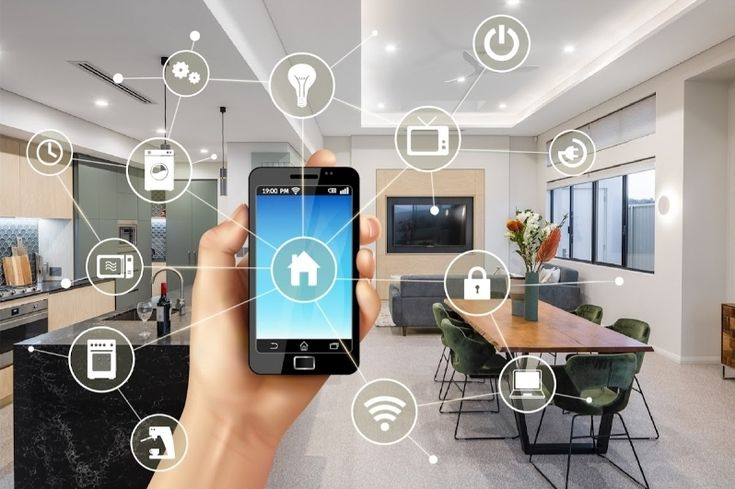
In 2025, the smart home lifestyle has become more than a luxury—it’s a necessity for modern living. With AI-powered assistants, Internet of Things (IoT) devices, and home automation systems, homes are now smarter, safer, and more energy-efficient than ever before.
From voice-controlled lighting to AI-driven energy management, smart homes are redefining what comfort and convenience mean in the digital age.
1. The Evolution of Smart Homes
Smart home technology has evolved from basic devices like smart thermostats and voice assistants to fully integrated ecosystems. In 2025, homes can now:
- Adjust temperature and lighting based on your daily routines.
- Use AI algorithms to optimize energy usage and reduce bills.
- Offer real-time security monitoring with smart cameras and sensors.
- Connect with wearable devices to personalize comfort and health.
2. Benefits of the Smart Home Lifestyle
Living in a smart home provides multiple advantages:
- Convenience: Voice commands and automation make everyday tasks effortless.
- Energy Efficiency: Smart devices monitor usage, helping you save money and protect the environment.
- Security: Smart locks, cameras, and alarms keep your home safe 24/7.
- Health Integration: Air quality monitors, smart fitness devices, and wellness apps promote a healthier lifestyle.
3. Key Smart Home Technologies in 2025
a) Artificial Intelligence (AI) Integration
AI assistants like Siri, Alexa, and Google Home now learn your habits and adapt settings automatically.
b) Internet of Things (IoT) Ecosystem
Every device—TVs, refrigerators, ovens, lights—can now connect and communicate seamlessly.
c) Smart Security Systems
Advanced facial recognition cameras and AI intrusion detection provide unmatched protection.
d) Energy-Saving Devices
Solar-powered smart panels and energy trackers help reduce bills and carbon footprint.
4. How Smart Homes Improve Quality of Life
The smart home lifestyle improves both physical comfort and mental peace of mind. Imagine coming home to:
- Lights that turn on automatically.
- A thermostat that adjusts to your body temperature.
- Appliances that remind you to restock groceries.
- A security system that alerts you instantly on your phone.
This level of automation and personalization gives homeowners more time, energy, and freedom to focus on what matters most.
5. Challenges and Considerations
While smart homes bring incredible benefits, homeowners must also consider:
- Privacy Concerns: Data collected by smart devices must be protected.
- Initial Investment: Smart home systems can be costly upfront.
- Cybersecurity Risks: Connected devices must have strong encryption.
